Find out what actually went wrong
Root-cause investigation of a failed or disputed SPF installation — a site assessment, identification of the likely failure mode, and a written findings report you can act on or submit as documentation.
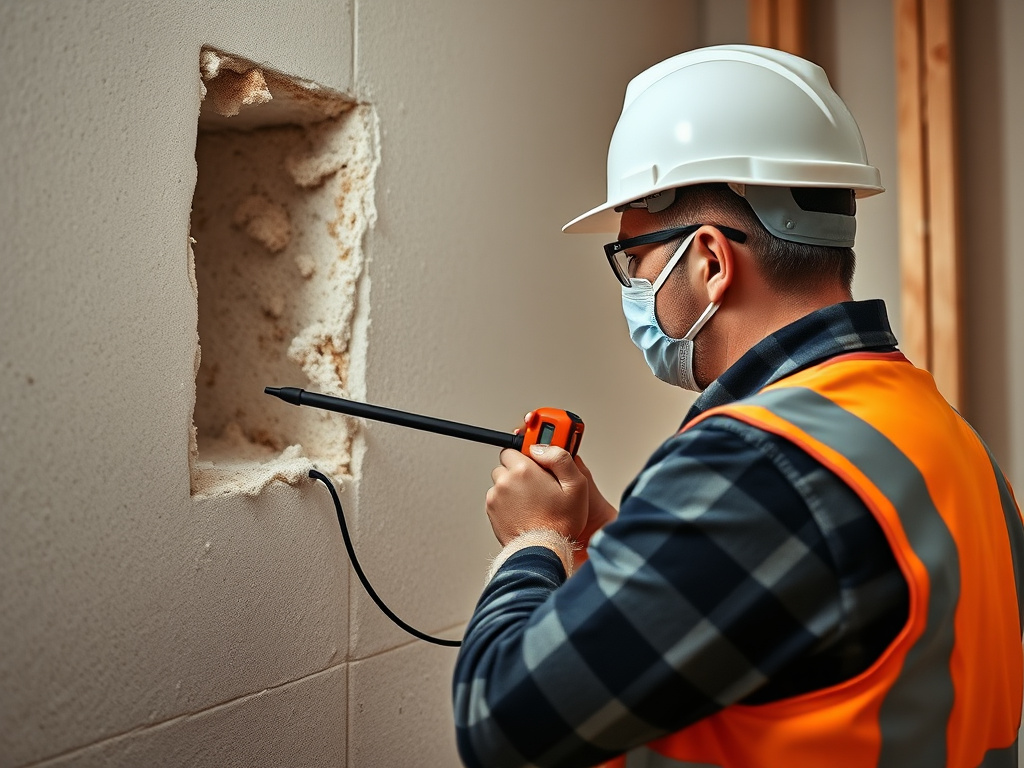
What we're typically called in to investigate
These four mechanisms account for most of the SPF failures we see in the field — often in combination rather than isolation.
Off-ratio mixing
Spray foam is a precise two-part chemical reaction. When the A-side and B-side aren't delivered at the correct ratio — from proportioner miscalibration, chemical temperature outside the working range, or applicator error — the foam doesn't cure the way it's designed to, producing brittle, crumbly, or soft, spongy defects.
Adhesion failure
Foam can cure correctly and still fail to bond to its substrate. Dust, dirt, oils, form-release agents, or an incompatible coating on the surface can cause the foam to bond to the contaminant layer instead of the substrate — a defect that isn't always visible until the foam is probed or removed.
Moisture entrapment
Foam applied over wet framing or sheathing (commonly above roughly 19% moisture content) can develop poor cell structure and separate from the substrate as the wood dries. In roof and wall assemblies, moisture trapped behind an SPF layer can also drive ongoing condensation and decay independent of how the foam itself was applied.
Insufficient thickness / application technique
Under-thickness relative to the specified R-value, hot-passes that scorch or under-react the foam core, and inadequate lift-to-lift cooling time are technique-driven defects that can coexist with, or be mistaken for, a chemistry problem.
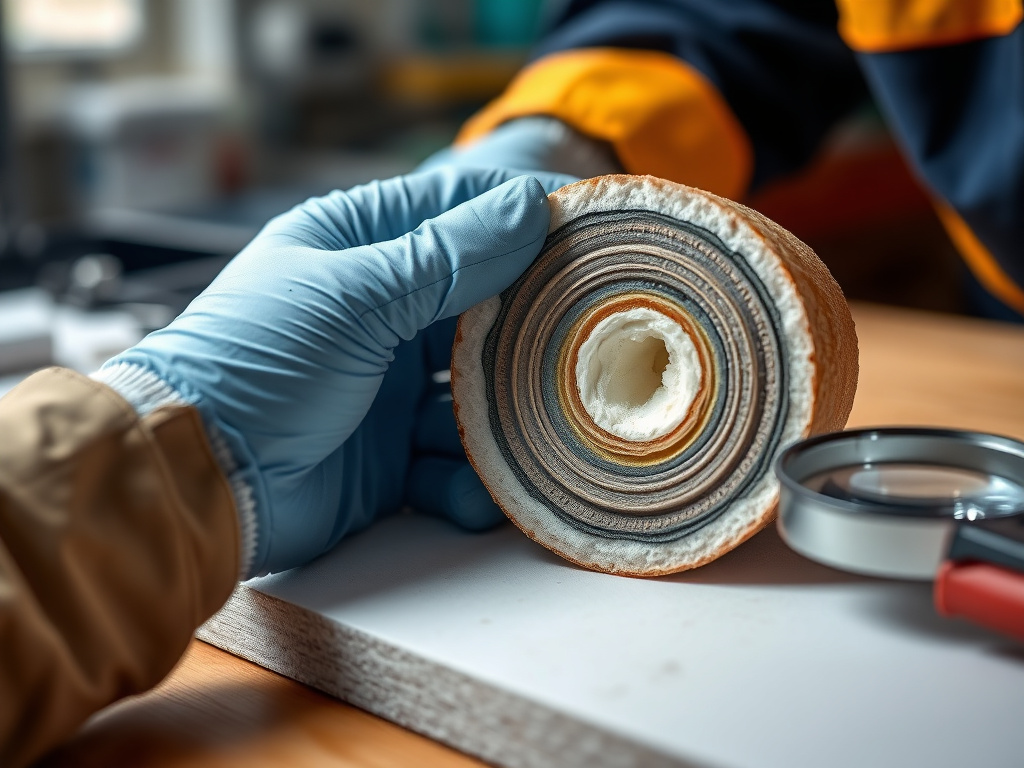
The right fix depends on the actual root cause.
A localized adhesion failure at one wall section calls for a different scope of work — and a different conversation about responsibility — than a whole-job proportioner malfunction or a design-level moisture problem. Part of a forensic investigation is separating an installation defect from a specification defect, since those point to different parties and different remedies.
- Findings tied to a specific, documented mechanism — not a general impression
- Distinguishes installation error from design/spec-level causes
- Report structured to support a remediation scope or a dispute resolution
Forensic investigation, answered
General contractors and building owners dealing with a callback or a failed inspection, developers who need documentation before committing to a remediation scope, and attorneys who need an independent expert finding for a construction dispute.
A visual and tactile assessment of the installed foam across representative areas, probing or coring where appropriate to check adhesion and thickness, photographic documentation, and a review of any available installation records, specifications, or prior test reports.
Forensic findings can be documented to a standard suitable for litigation support, including a written report and, where the engagement calls for it, deposition or testimony support. This is scoped explicitly at the outset — it's a different fee structure than a straightforward site assessment.
A document review and site visit can often be completed within a few weeks. A full written report with root-cause findings and remediation recommendations typically follows within a similar window, depending on whether third-party lab testing is part of the scope.
Need a root-cause finding on a failed installation?
Tell us what happened and what you're seeing, and we'll scope a site visit and written report.