When to Bring in an SPF Engineering Consultant
Spray polyurethane foam is a chemically precise, code-regulated building material — not just an insulation product. Here's when an independent engineering opinion is worth the fee.

SPF Is a Building-Envelope Decision, Not Just a Material Choice
Spray polyurethane foam does more work in a building envelope than most insulation products — it's simultaneously an insulator, an air barrier, and in many closed-cell applications, a code-recognized vapor retarder. That combination is exactly why getting the assembly wrong has more consequences than a lower-than-expected R-value: it can also mean trapped moisture, a code violation, or a structural detail that doesn't actually control condensation the way the drawings assumed.
Most projects don't need a dedicated SPF consultant for routine, well-precedented assemblies. The value shows up at specific decision points — where an assembly is unusual, where a failure has already happened, or where a code question doesn't have an obvious prescriptive answer.
Before Design Is Finalized: Assembly & Spec Review
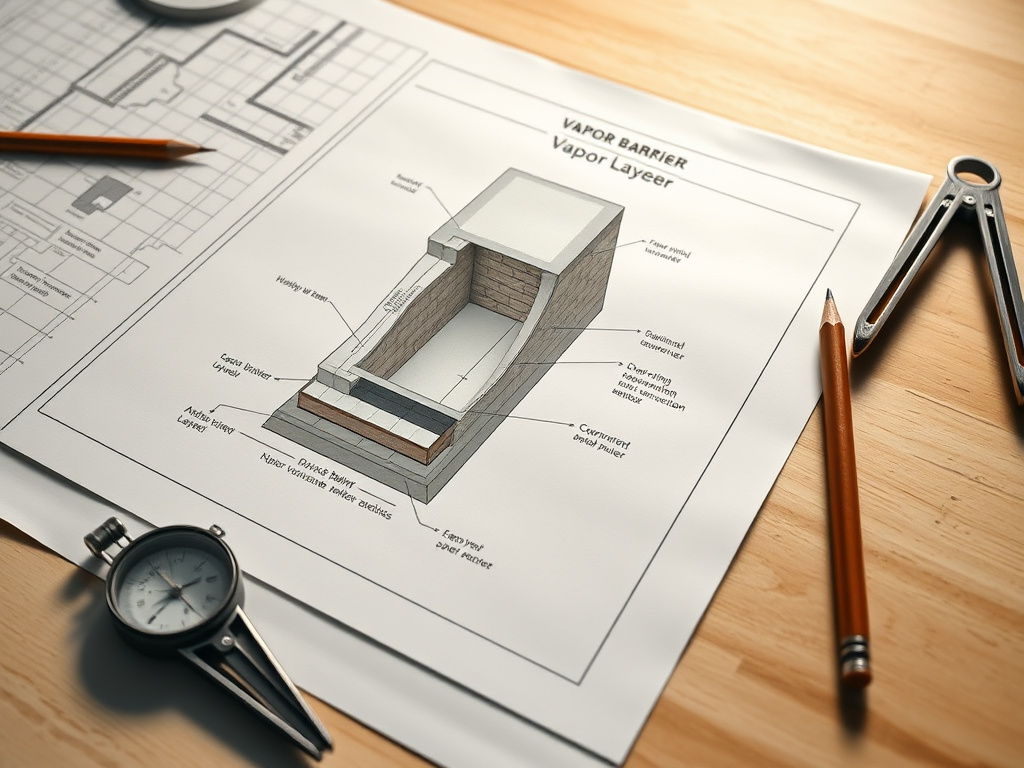
The highest-leverage point to bring in a consultant is before an SPF assembly is locked into construction documents. At this stage, a review can confirm the specified foam type and thickness actually hits the required whole-assembly R-value for the project's IECC climate zone, that the vapor-retarder strategy matches what the assembly needs, and that thermal-bridging risks at framing and structural transitions have been addressed.
Catching a mismatch here — say, a spec that assumes closed-cell foam's vapor performance but specifies open-cell in a cold climate zone — costs a redline on a drawing. Catching the same mismatch after the walls are closed up costs a remediation project.
- Confirms R-value target is actually achievable in the available cavity depth
- Flags vapor-retarder class mismatches before they're built
- Identifies thermal-bridging risk at headers, rim joists, and other transitions
At Permit: Code-Compliance Questions
Foam-plastic code provisions — thermal barriers, ignition barriers, and the specific conditions under which one can substitute for the other — are a common source of plan-review comments. So are energy-code R-value tables, particularly for assemblies that mix cavity and continuous insulation or that fall near a climate-zone boundary.
A code-compliance consultation before submittal, or a documented response to a plan-review comment, is generally faster and cheaper than an open-ended back-and-forth with the plans examiner. It also gives the design team a defensible, code-section-specific basis for the assembly as specified — useful if the question comes up again later in the project.
After a Failure: Forensic Investigation
The other common trigger is a failure that's already happened — a callback, a failed inspection, or a dispute between an owner and a contractor over what went wrong and who's responsible. In these cases, the value of an independent consultant is specifically that independence: a finding that isn't shaped by which party is paying for the remediation.
A forensic investigation typically starts with a site visit and a review of whatever installation records or specifications are available, aiming to identify the specific failure mechanism — off-ratio mixing, adhesion failure, moisture entrapment, or an underlying spec problem — rather than a general impression that 'something's wrong with the foam.'
That specificity matters for what happens next: a localized adhesion failure at one wall section calls for a different remediation scope, and a different conversation about responsibility, than a whole-job proportioner malfunction or a design-level moisture problem.
- Distinguishes an installation defect from a specification defect
- Documents findings to a standard that can support a remediation scope or a dispute
- Can include litigation-support-grade documentation where the engagement calls for it
What It Typically Doesn't Make Sense For
Not every SPF question needs a dedicated engineering engagement. A well-precedented, straightforward residential wall or attic assembly, installed by a qualified contractor following manufacturer instructions and standard prescriptive code tables, usually doesn't need an independent review — the existing code framework and the contractor's own quality process are typically sufficient.
The decision point is really about how much is riding on getting the assembly right, and how unusual or disputed the situation already is. A pre-permit review of an unusual assembly, or a forensic look at a failure that's already turned into a dispute, are the cases where an independent opinion earns its fee.
Frequently asked questions
No. A general home inspector's scope is typically a visual, non-invasive walkthrough. An SPF engineering consultation is assembly-specific — R-value verification, vapor-retarder analysis, code-section citations, and, where needed, forensic investigation of a failure.
Yes, though it's a less efficient point to catch an issue than before drawings are finalized. A review can still identify problems before or during construction, and a forensic review can address issues after installation.
A single-assembly review can often turn around within one to two weeks of receiving drawings, depending on scope. Build that into the schedule if a review is planned ahead of a permit deadline.
Have a project that needs an engineering opinion?
Tell us about the project and we'll scope a consultation.